Blog ·
Understanding Your Climate Control System's Performance Signals
Learn What Your System Is Telling You
Your climate control system communicates its status through various signals—if you know what to listen for and observe. Understanding these performance indicators helps you catch potential issues early, maintain consistent comfort, and avoid unexpected failures. By paying attention to how your system operates, you become a more informed, proactive owner.
Airflow and Temperature Distribution
Consistent airflow indicates healthy system operation. Walk through your space and check that air flows evenly from all vents. Weak airflow in certain areas might indicate blocked ducts, dirty filters, or airflow imbalances that benefit from professional adjustment. Similarly, temperature consistency matters—if one room feels significantly warmer or cooler than others at similar distances from the unit, your system may need balancing.
Operational Sounds and Patterns
Every climate control system produces normal operational sounds, but unusual noises warrant attention. Grinding sounds, squealing, or banging often indicate component issues. Your system should cycle on and off smoothly; frequent short cycles or continuous operation without reaching your desired temperature suggest underlying problems.
Humidity and Air Quality
Well-functioning climate control systems maintain appropriate humidity levels. Excessive moisture in the air, particularly during cooling season, suggests your system isn't removing humidity effectively. Conversely, overly dry air during heating season indicates your system might be stripping moisture faster than is comfortable. These conditions affect both comfort and indoor air quality.
Energy Consumption Patterns
Monitor your energy bills across seasons. Unexpected spikes in consumption, even accounting for weather changes, often indicate declining system efficiency. This could mean refrigerant levels are low, components aren't functioning optimally, or airflow is restricted. Professional evaluation can identify and correct the source.
Thermostat Responsiveness
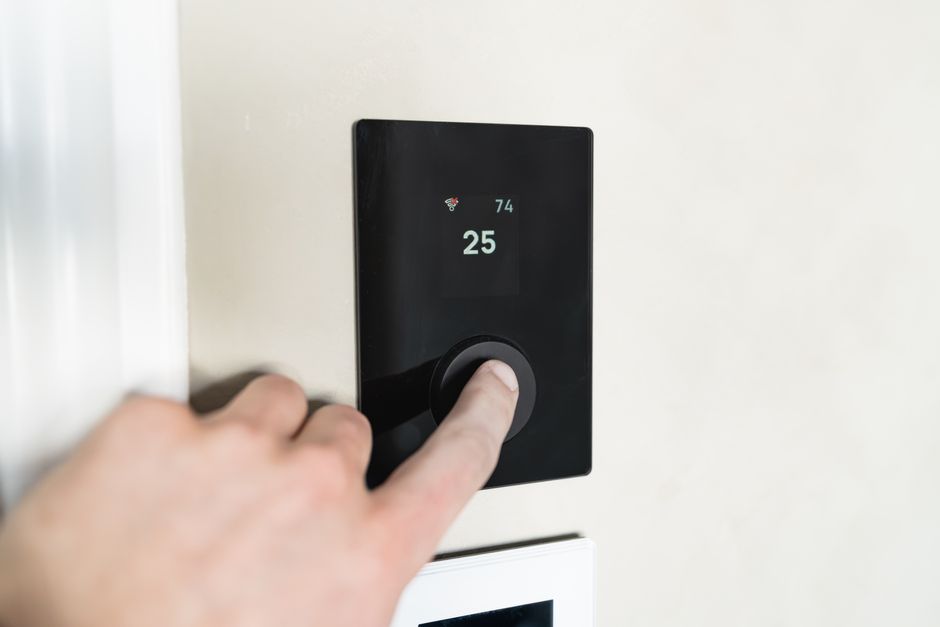
Your thermostat should accurately reflect room temperature and respond promptly when you adjust settings. If you notice your thermostat displays incorrect temperatures or your system responds slowly to adjustments, calibration or sensor issues may need professional attention.
Visual Indicators
Examine your outdoor unit for frost buildup during cooling season or unusual deposits. These visible signs can indicate refrigerant issues or other component problems. Indoors, inspect accessible ductwork for visible damage, loose connections, or leaks.
When to Seek Professional Help
Trust your observations. If something feels off about your system's performance—whether it's unusual sounds, inconsistent temperatures, unexpected energy costs, or reduced comfort—professional evaluation provides answers. Skilled technicians can diagnose issues accurately and address problems before they affect your comfort or system reliability.